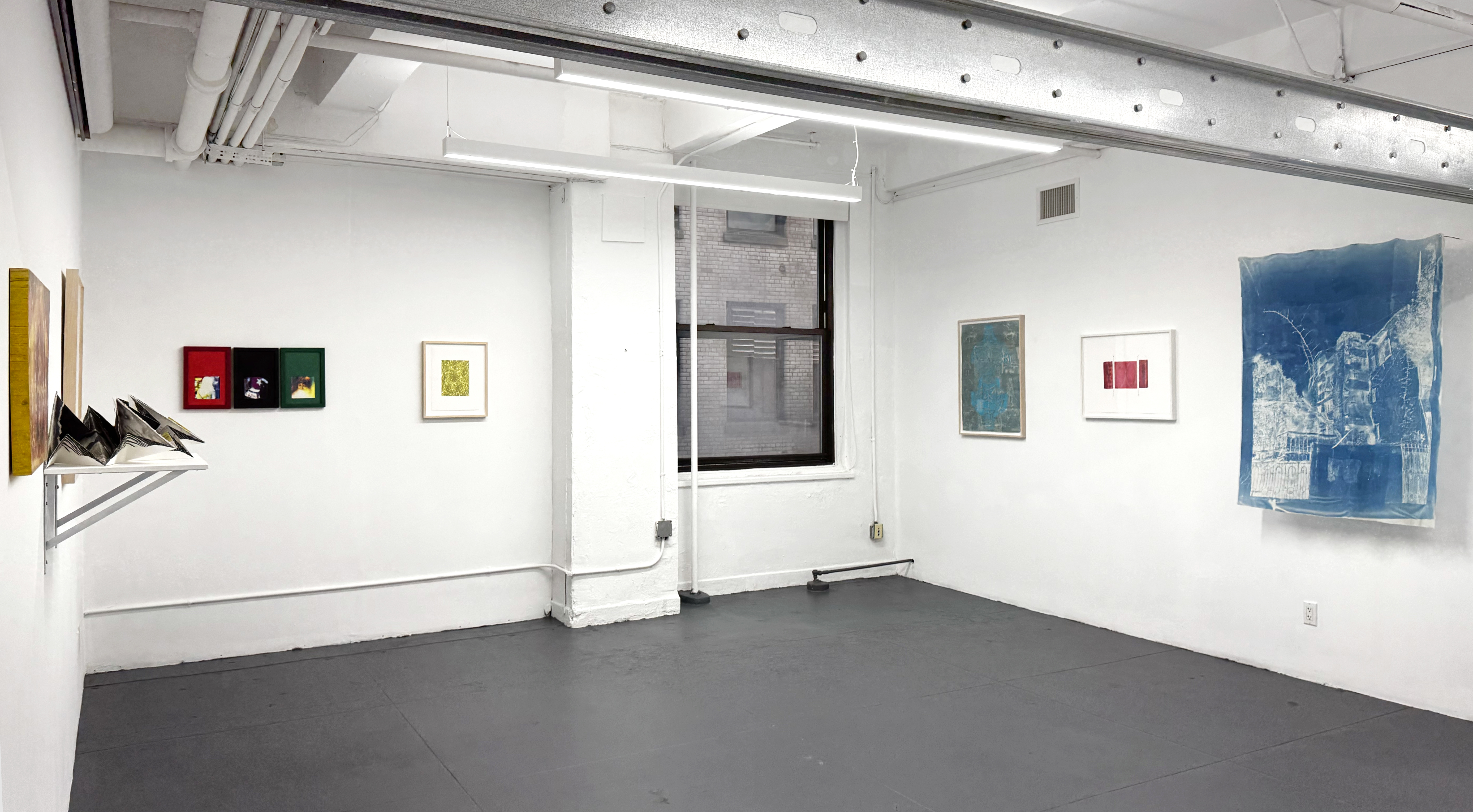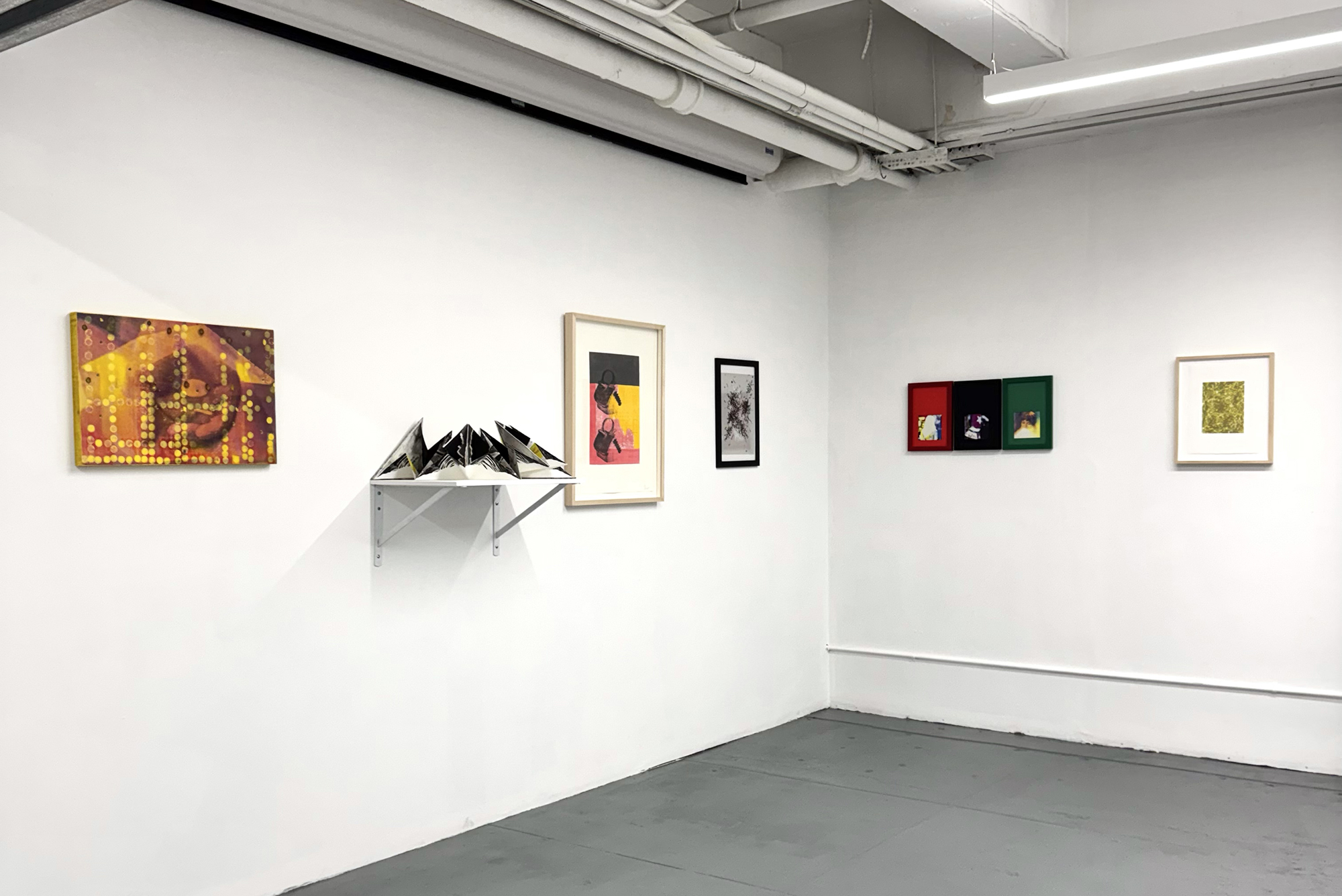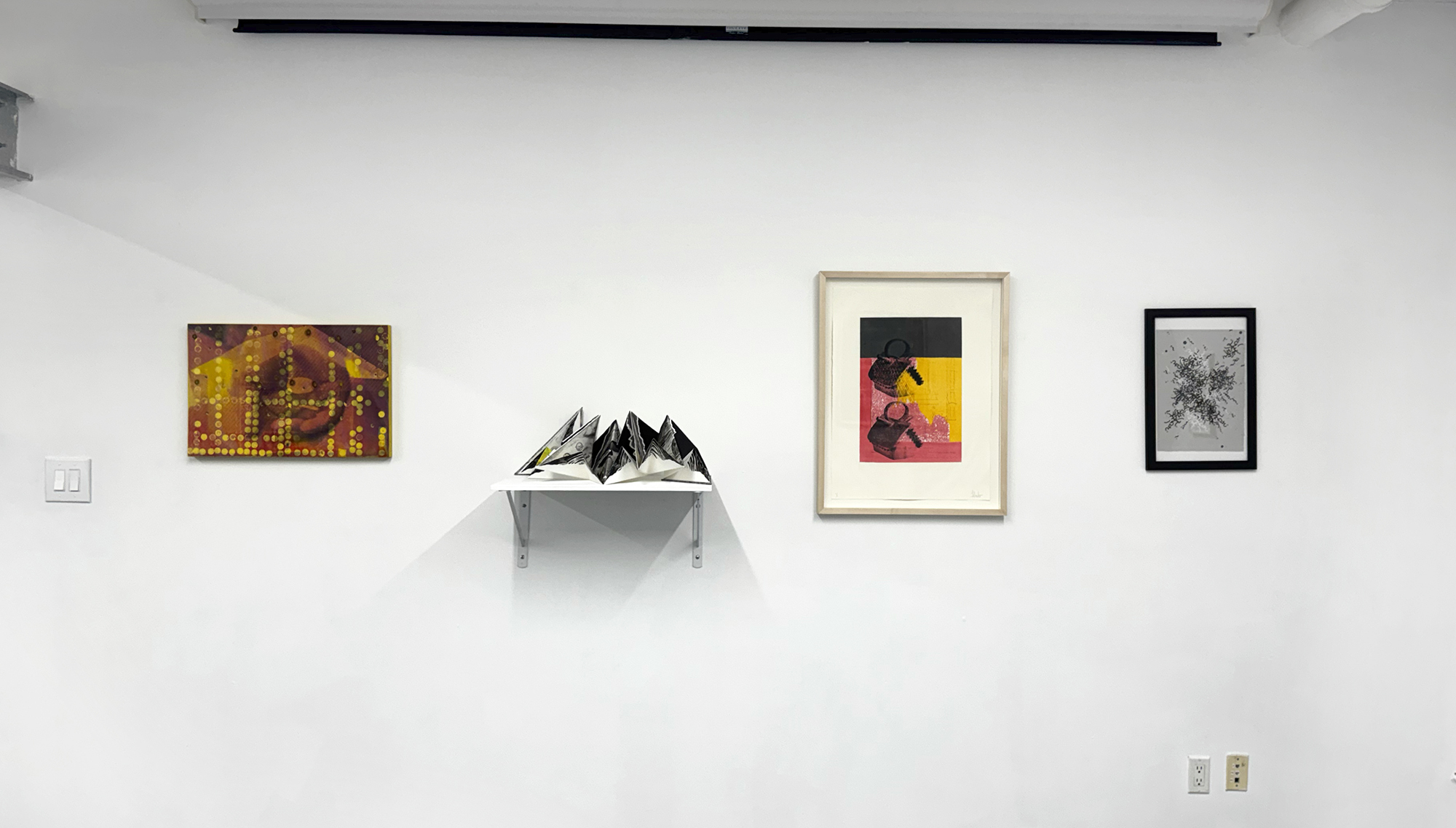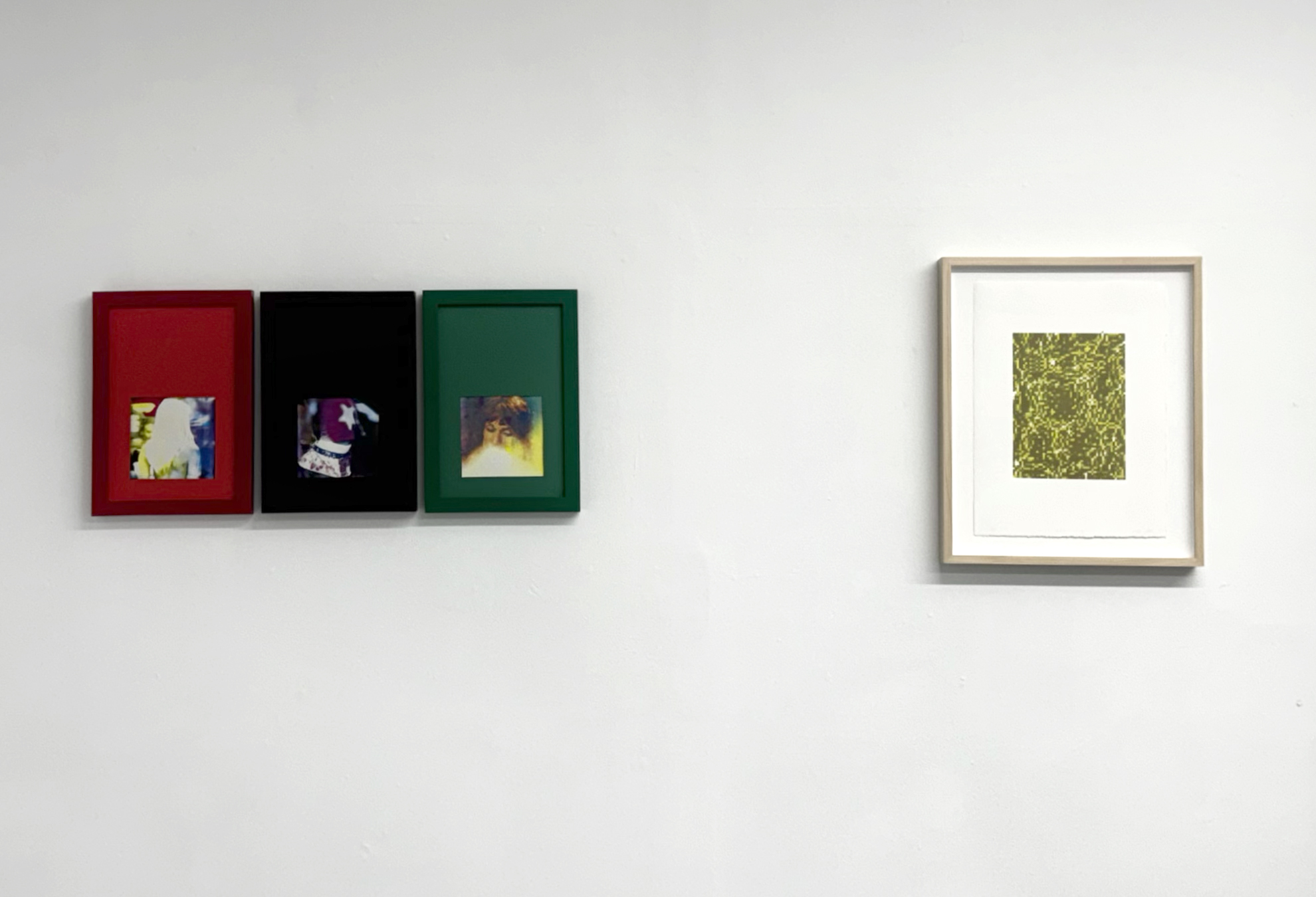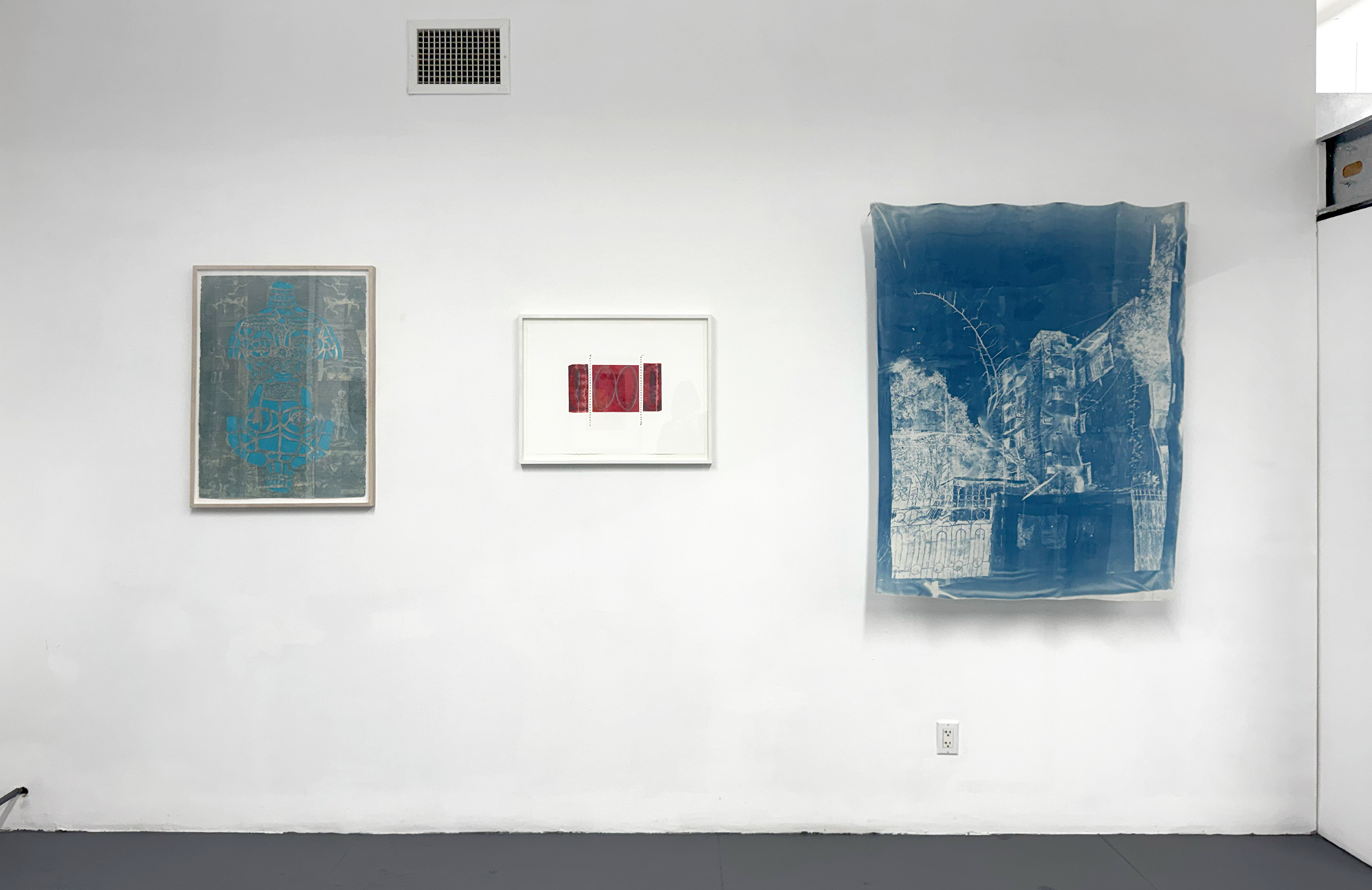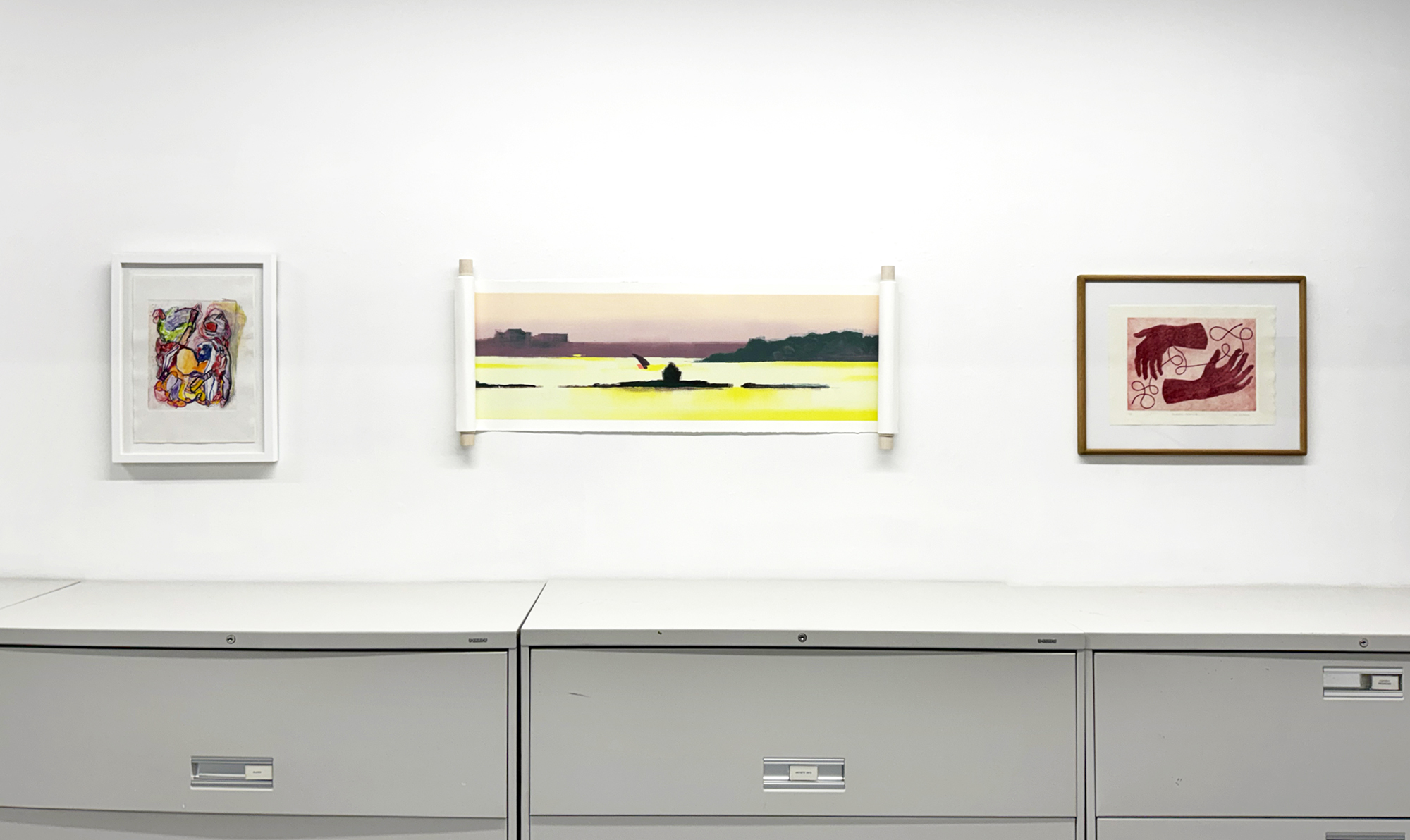
the end of a sentence is where we might begin
Curated by Sarah H. Cho, Assistant Curator at Queens Museum
Exhibiting artists: Rachel Burgess, Natasha K. De Armas, Katya Grokhovsky, Luis A. Gutierrez, Gillie Holme,
Leekyung Kang, Kate Liebman, Farah Mohammad, Felix Plaza, Megan Tatem, Scott Vander Veen, and Hanna Wuttig
Exhibition Dates: March 23 - May 8, 2026
Hours: Weekdays 10am - 6pm; Weekends 12 - 6pm
Opening Reception: Thursday, March 26, 6 - 8pm
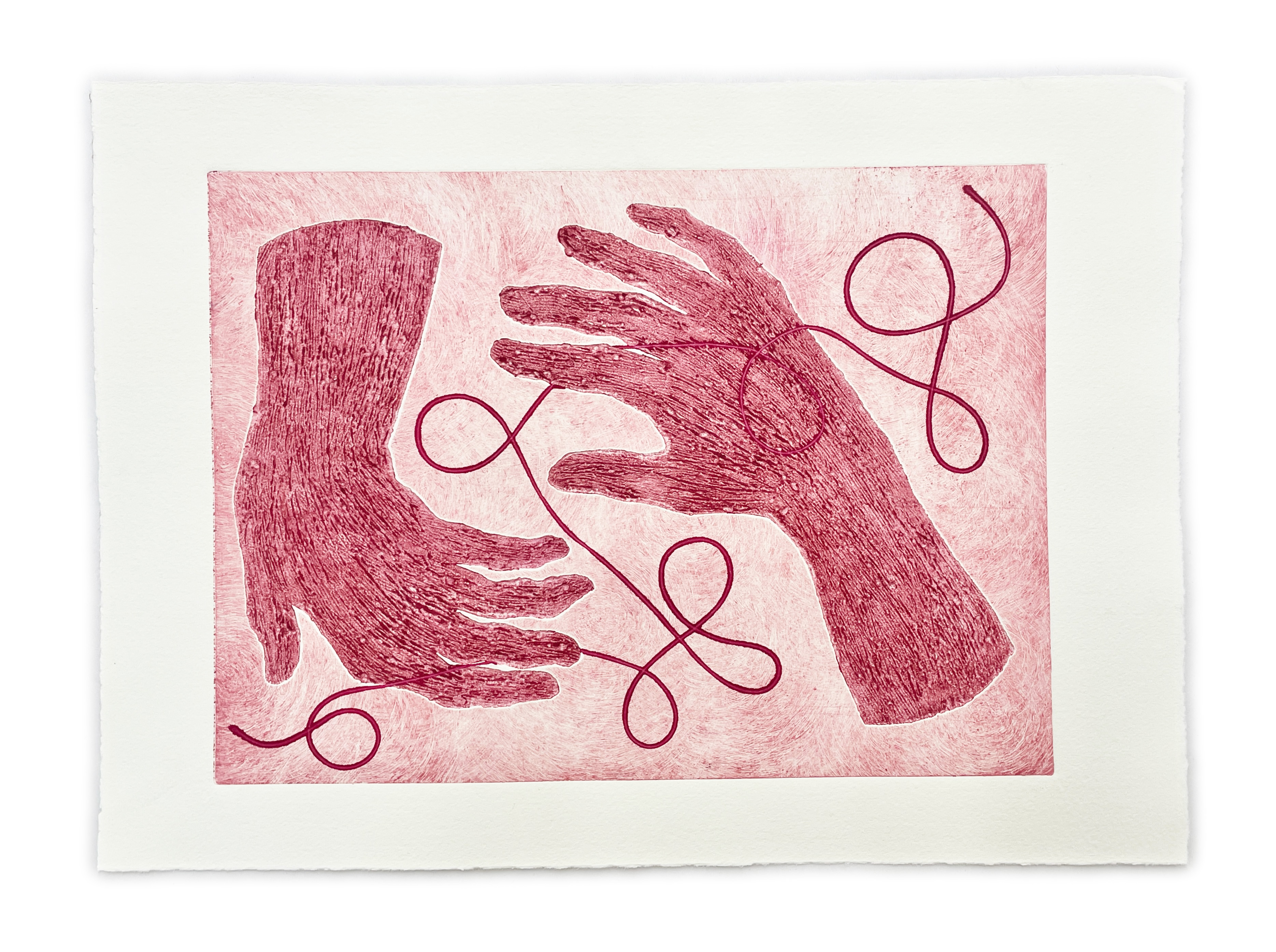
If we are lucky, the end of the sentence is where we might begin. If we are lucky, something is passed on, another alphabet written in the blood, sinew, and neuron; ancestors charging their kin with the silent propulsion to fly south, to turn toward the place in the narrative no one was meant to outlast.
—Ocean Vuong, On Earth We’re Briefly Gorgeous
Printmaking is a layered medium, the product of which speaks to the lasting imprint of memory; the substrate features an echo of the matrix, brought into visibility by pigment. The process of printmaking provides the grounds for material experimentation and manifestation of literal and metaphorical transference, with what may persist, be abstracted, or disappear. The artists in this show contend with narratives (be it personal, familial, cultural, structural, or philosophical), that foments potentiality to explore the edges of boundaries and begin anew.
Many artists in this show call upon autobiography, heritage, and/or (im)migration in excavating landscapes of embodied memory. Rachel Burgess composes new narratives of New England childhood landscapes; Natasha K. De Armas fragments the body and threads together the past with present, home left behind with memory of home; Luis A. Gutierrez layers images of labor with architectural drawings and Indigenous objects; Katya Grokhovsky engages humor in constructing a new identity in the face of displacement; Leekyung Kang recovers Korean shamanistic cosmologies and activates its histories, memories, and lost potentials; Farah Mohammad negotiates reminiscence and evocation in locating resilience; and Felix Plaza invokes histories and cultural identities that shape perseverance.
Other artists consider the implications of the body in collective, social, or personal memory, utilizing abstraction as a method of transformation. Kate Liebman layers molecular and cosmic imagery, like scars on a body; Megan Tatem reconfigures motion into stillness, and stillness back into motion through an archive of voguing imagery; and Scott Vander Veen plays with abstraction and voyeurism in manipulating 20th century gay erotica.
On a more philosophical level, some artists re-think structural associations and information systems. Gillie Holme shatters the framework of language in an attempt to find what may survive and Hanna Wutig examines the crossover between data systems and craft motifs through pixels.
Faced with the end of a sentence, these artists consider where we might begin again.
About the curator:
Sarah H. Cho (she/her) is Assistant Curator at the Queens Museum where she collaborates with creatives and community partners. At QM, she has curated Emilie L. Gossiaux: Other-Worlding; Cameron A. Granger: 9999; and Abang-guard: Makibaka, and contributed to Tracey Rose: Shooting Down Babylon. Previously she was the Curatorial Assistant of American Art and Decorative Arts at the Baltimore Museum of Art where she co-curated Beatrice Glow: Once the Smoke Clears, contributed to numerous exhibitions and collection reinstallations, and supported the acquisition of 160 objects for the permanent collection. Additionally, she has taught at Parsons – The New School, and curated their 2024 MFA Thesis exhibition.